Tiny Windows Games Home

Category

Features

27 articles

Designed for the Desk Lamp Glow: How Indie Devs Are Quietly Owning the Small-Screen Era

Designed for the Desk Lamp Glow: How Indie Devs Are Quietly Owning the Small-Screen Era

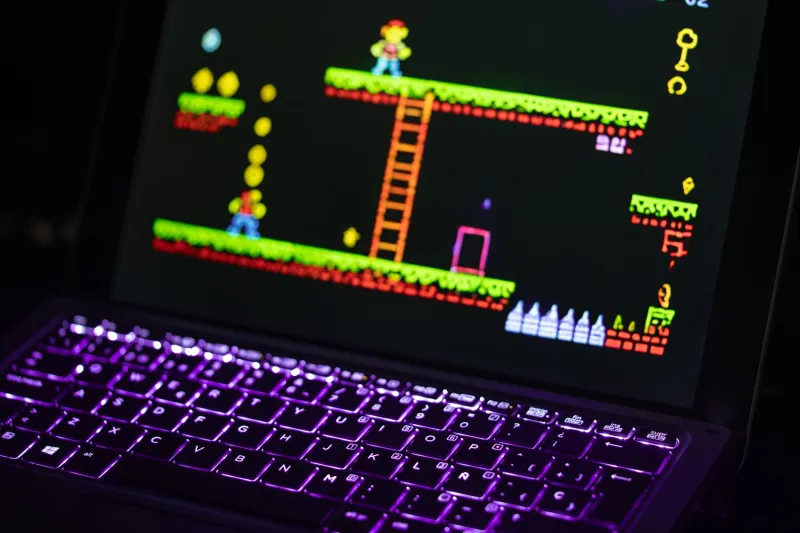
While AAA studios pour billions into chasing 4K glory on massive televisions, indie developers have been quietly perfecting something else entirely — games that feel right at home on a cramped laptop screen or a modest monitor wedged between a coffee mug and a stack of textbooks. It turns out that designing for smaller windows isn't a compromise. For a growing number of indie creators, it's the whole point.

No Credits Screen Required: The Indie Games That End Without Ending

No Credits Screen Required: The Indie Games That End Without Ending

Some of the most beloved indie games never actually stop. No final boss, no rolling credits, no "Thanks for playing" — just a quiet fade into whatever comes next. We dig into why developers are deliberately designing against closure, and why players keep coming back anyway.

Built for a Closet, Beloved by Everyone: The Indie Games That Escaped Their Own Origins

Built for a Closet, Beloved by Everyone: The Indie Games That Escaped Their Own Origins

Some games were never supposed to matter this much. Coded for browser windows, crammed onto phones, or squeezed into hardware that barely had the horsepower to run them — these indie titles became something nobody planned for: genuine classics. Here's what happens when a tiny technical box turns out to be the perfect creative pressure cooker.

Fifteen Seconds of Fame: How TikTok and YouTube Shorts Are Resurrecting Forgotten Indie Games

Fifteen Seconds of Fame: How TikTok and YouTube Shorts Are Resurrecting Forgotten Indie Games

Some indie games sat quietly on Steam for years, barely cracking a few hundred sales, until a single vertical video changed everything. Short-form platforms like TikTok and YouTube Shorts have become unlikely lifelines for obscure titles, turning forgotten gems into overnight sensations. Here's how a fifteen-second clip is rewriting the rules of indie game discovery.

Don't Patch That: The Glorious Accidents That Made Indie Games Better

Don't Patch That: The Glorious Accidents That Made Indie Games Better

Some of the most beloved moments in indie gaming history weren't designed — they just sort of happened. From physics engines gone haywire to collision detection that forgot the rules, the bugs that stuck around tell us something fascinating about how games actually get made.

Nobody Remembers These Games — That's Exactly Why Speedrunners Love Them

Nobody Remembers These Games — That's Exactly Why Speedrunners Love Them

Deep in the corners of itch.io and decade-old Steam queues, speedrunners are unearthing indie games that most players never finished — or even started. These overlooked titles are quietly becoming the most exciting challenge runs on the internet, and the communities forming around them are unlike anything in mainstream speedrunning.

From Zero Viewers to Viral: The Obscure Indies That Twitch Turned Into Legends

From Zero Viewers to Viral: The Obscure Indies That Twitch Turned Into Legends

Some of the most beloved indie games of the past decade never ran a single ad. Instead, they found their audiences through streamers stumbling onto something special and refusing to shut up about it. Here's how a handful of tiny, forgotten games got a second life — and sometimes a first one — through the chaos of live streaming.

You Can't Break What Won't Stay Still: The Indie Devs Fighting Back Against Speedrunners

You Can't Break What Won't Stay Still: The Indie Devs Fighting Back Against Speedrunners

A quiet but fascinating design movement is brewing in the indie scene — developers who are deliberately making their games slippery, unpredictable, and resistant to the kind of cold optimization that speedrunners live for. It's not about punishing players. It's about keeping the magic alive, no matter how many times you've been through the door.

Five Bucks and a Better Time: How Cheap Indie Games Are Out-Satisfying the Blockbusters

Five Bucks and a Better Time: How Cheap Indie Games Are Out-Satisfying the Blockbusters

While AAA publishers keep hiking prices toward $70 and beyond, a quiet army of indie games priced under $10 is consistently earning better reviews, stronger word-of-mouth, and more genuine player love. We dug into why the smallest price tags are delivering the biggest payoffs — and what it says about where gaming is actually headed.

From Spare Bedroom to Steam Page: The Free Tools Turning Anyone Into a Game Developer

A new generation of game makers never had to ask permission. With powerful free engines like Godot, Pygame, and GB Studio now within reach of anyone with a laptop, the barrier between 'person who loves games' and 'person who makes games' has practically dissolved. Here's what that means for the future of indie development.

Voting With Their Wallets: How Hardcore Gamers Are Quietly Abandoning the AAA Machine

Something significant is happening in PC gaming, and the big publishers haven't fully figured out how to stop it. Millions of self-described hardcore gamers are walking away from $70 blockbusters stuffed with battle passes and microtransactions, and they're finding a surprisingly comfortable home in the world of indie games. This is the story of how small studios became the unlikely heroes of a community that felt left behind.

Why the Smallest Games Are Winning the Speedrun Wars

Why the Smallest Games Are Winning the Speedrun Wars

Speedrunning used to mean mastering sprawling open worlds and 80-hour RPGs. Now, some of the most electric competitive runs are happening inside games you can finish in under a minute. Here's why minimalist indie games have quietly taken over the speedrunning scene — and why that's genuinely exciting.

Pixels With Purpose: Why 16-Bit Art Is the Hottest Aesthetic in 2024 Gaming

Pixels With Purpose: Why 16-Bit Art Is the Hottest Aesthetic in 2024 Gaming

Indie developers are ditching photorealism and reaching back to the Super Nintendo era — not out of nostalgia alone, but as a deliberate creative statement. From Blasphemous 2 to Hollow Knight, games built on pixel grids and limited palettes are hitting harder emotionally than anything running on Unreal Engine 5. Here's why the 16-bit aesthetic is having its biggest moment in decades.

Small Screens, Infinite Worlds: How Handheld Gaming Rewired Game Design Forever

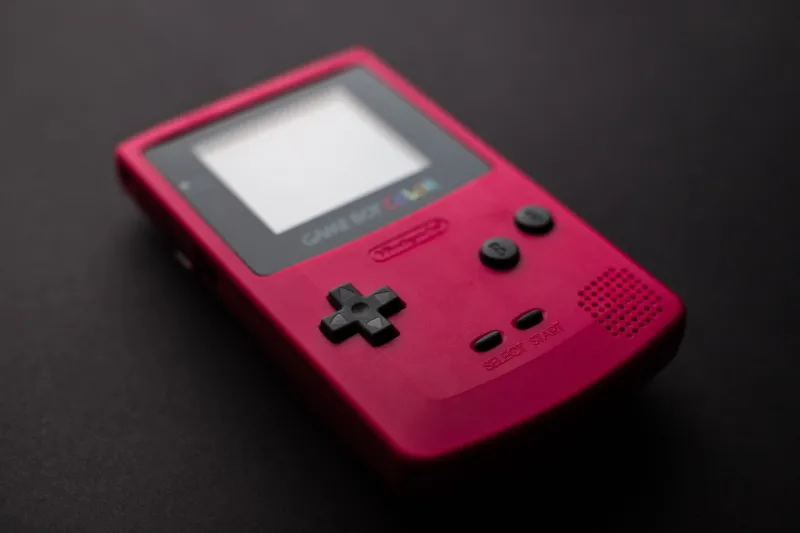
From the original Game Boy's pea-green display to the Steam Deck's crisp OLED panel, tiny screens have quietly driven some of gaming's most creative breakthroughs. We talked to indie developers about why working within tight constraints often produces the most memorable experiences. Turns out, less really can be more.