Tiny Windows Games Small screens, big memories.

Tiny Windows Games

Small screens, big memories.

Latest Articles

Designed for the Desk Lamp Glow: How Indie Devs Are Quietly Owning the Small-Screen Era
Features

Designed for the Desk Lamp Glow: How Indie Devs Are Quietly Owning the Small-Screen Era

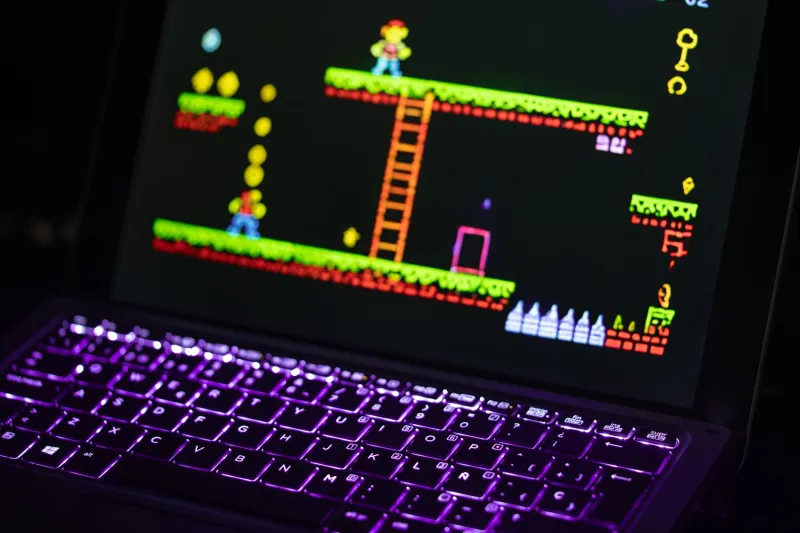
While AAA studios pour billions into chasing 4K glory on massive televisions, indie developers have been quietly perfecting something else entirely — games that feel right at home on a cramped laptop screen or a modest monitor wedged between a coffee mug and a stack of textbooks. It turns out that designing for smaller windows isn't a compromise. For a growing number of indie creators, it's the whole point.


The Magic Number: Why $7.99 Is the Price Tag Quietly Winning the Indie Game Wars
Features

The Magic Number: Why $7.99 Is the Price Tag Quietly Winning the Indie Game Wars

While AAA publishers keep nudging their prices toward $70 and beyond, a growing wave of indie developers has quietly landed on a number that just plain works: $7.99. It's not an accident, and it's not desperation — it's actually a pretty sophisticated play.

Slowdown on Purpose: Why Some Indie Devs Are Building Games You Simply Cannot Rush
Features

Slowdown on Purpose: Why Some Indie Devs Are Building Games You Simply Cannot Rush

A quiet but deliberate movement is taking shape in indie development — games engineered not to be unbreakable, but to be unrushable. Some developers are rethinking the entire relationship between player agency and authorial intent, and the results are fascinating.

When the Glitch Becomes the Game: Indie Devs Who Stopped Fighting Speedrunners and Started Building for Them
Features

When the Glitch Becomes the Game: Indie Devs Who Stopped Fighting Speedrunners and Started Building for Them

Some bugs are too beloved to kill. A growing number of indie developers are rethinking the whole idea of 'fixing' a game when the community has already decided the exploit is the point. We talked to devs who leaned into the chaos — and never looked back.

When 100 Hours Becomes 10 Minutes: The Tug-of-War Between Indie Devs and Speedrunners
Features

When 100 Hours Becomes 10 Minutes: The Tug-of-War Between Indie Devs and Speedrunners

Indie developers spend months — sometimes years — building elaborate worlds full of secrets, systems, and story beats. Then speedrunners show up and dismantle the whole thing in the time it takes to eat lunch. What happens when a game's deepest fans are also its most ruthless critics?

No Credits Screen Required: The Indie Games That End Without Ending
Features

No Credits Screen Required: The Indie Games That End Without Ending

Some of the most beloved indie games never actually stop. No final boss, no rolling credits, no "Thanks for playing" — just a quiet fade into whatever comes next. We dig into why developers are deliberately designing against closure, and why players keep coming back anyway.

Free, a Dollar, or Whatever You Feel Like Paying: The Strange Pricing Math Behind Indie Games
Features

Free, a Dollar, or Whatever You Feel Like Paying: The Strange Pricing Math Behind Indie Games

Some indie developers give their games away for nothing and somehow come out ahead. Others charge 99 cents and swear it's the sweet spot. We dug into the weird, surprisingly logical economics behind how small studios price their work — and what it says about the players buying it.

Built for a Closet, Beloved by Everyone: The Indie Games That Escaped Their Own Origins
Features

Built for a Closet, Beloved by Everyone: The Indie Games That Escaped Their Own Origins

Some games were never supposed to matter this much. Coded for browser windows, crammed onto phones, or squeezed into hardware that barely had the horsepower to run them — these indie titles became something nobody planned for: genuine classics. Here's what happens when a tiny technical box turns out to be the perfect creative pressure cooker.

Who Actually Remembers What Made It Great? Indie Devs vs. the Publishers Who Forgot
Features

Who Actually Remembers What Made It Great? Indie Devs vs. the Publishers Who Forgot

When a beloved classic gets a sequel decades later, the results are rarely what fans hoped for. Indie developers, it turns out, often understand the soul of a dormant franchise better than the studios that originally built it.

Designed to Destroy Friendships: The Indie Devs Who Engineer Chaos on Purpose
Features

Designed to Destroy Friendships: The Indie Devs Who Engineer Chaos on Purpose

Some indie developers aren't trying to make fair games — they're trying to make unforgettable ones. Inside the surprisingly intentional design philosophy of couch multiplayer games built to spark arguments, fuel rematches, and somehow keep friend groups coming back for punishment.

Fifteen Seconds of Fame: How TikTok and YouTube Shorts Are Resurrecting Forgotten Indie Games
Features

Fifteen Seconds of Fame: How TikTok and YouTube Shorts Are Resurrecting Forgotten Indie Games

Some indie games sat quietly on Steam for years, barely cracking a few hundred sales, until a single vertical video changed everything. Short-form platforms like TikTok and YouTube Shorts have become unlikely lifelines for obscure titles, turning forgotten gems into overnight sensations. Here's how a fifteen-second clip is rewriting the rules of indie game discovery.

Four Shades of Gray, Infinite Possibilities: How the Game Boy Became Indie Design's Secret Bible
Features

Four Shades of Gray, Infinite Possibilities: How the Game Boy Became Indie Design's Secret Bible

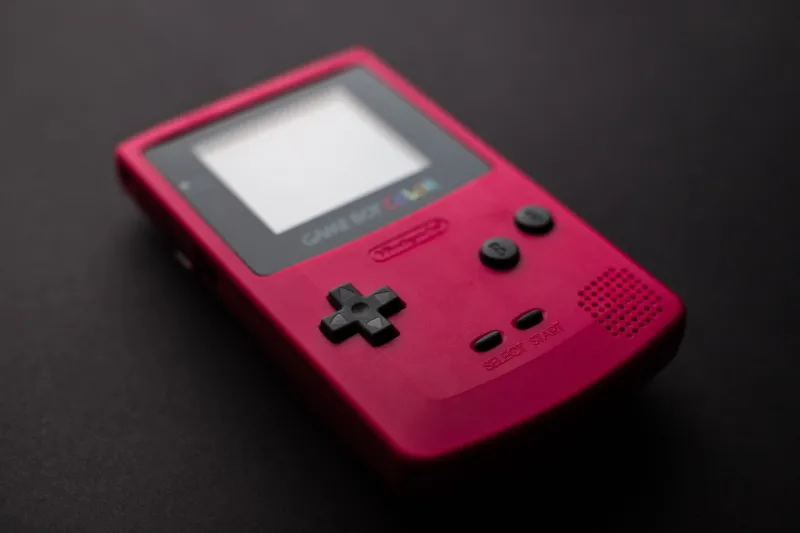
The Game Boy couldn't do much by today's standards — a tiny screen, four colors, and barely enough storage to hold a modern thumbnail image. So why are some of the most exciting indie developers alive treating it like a sacred design text?

Less Is More, and Science Agrees: Why Stripped-Down Games Feel So Good to Play
Features

Less Is More, and Science Agrees: Why Stripped-Down Games Feel So Good to Play

There's something almost suspicious about how good it feels to play a game with four colors and one button. Turns out, cognitive science has a pretty solid explanation for that — and indie developers have been stumbling onto it for years without knowing.

Don't Patch That: The Glorious Accidents That Made Indie Games Better
Features

Don't Patch That: The Glorious Accidents That Made Indie Games Better

Some of the most beloved moments in indie gaming history weren't designed — they just sort of happened. From physics engines gone haywire to collision detection that forgot the rules, the bugs that stuck around tell us something fascinating about how games actually get made.

Nobody Remembers These Games — That's Exactly Why Speedrunners Love Them
Features

Nobody Remembers These Games — That's Exactly Why Speedrunners Love Them

Deep in the corners of itch.io and decade-old Steam queues, speedrunners are unearthing indie games that most players never finished — or even started. These overlooked titles are quietly becoming the most exciting challenge runs on the internet, and the communities forming around them are unlike anything in mainstream speedrunning.

Broken Builds and Broken Hearts: How Indie Devs' Messy Journeys Became Their Best Pitch
Features

Broken Builds and Broken Hearts: How Indie Devs' Messy Journeys Became Their Best Pitch

There's something weirdly magnetic about watching a game fall apart in public. Indie developers who share their disasters, dead ends, and 3 a.m. panic posts aren't just being honest — they're accidentally building some of the most loyal fanbases in gaming.

From Zero Viewers to Viral: The Obscure Indies That Twitch Turned Into Legends
Features

From Zero Viewers to Viral: The Obscure Indies That Twitch Turned Into Legends

Some of the most beloved indie games of the past decade never ran a single ad. Instead, they found their audiences through streamers stumbling onto something special and refusing to shut up about it. Here's how a handful of tiny, forgotten games got a second life — and sometimes a first one — through the chaos of live streaming.

The Joy of Finishing: Why Indie Games Actually Make You Want to See Everything
Features

The Joy of Finishing: Why Indie Games Actually Make You Want to See Everything

AAA studios have turned achievements into checklists nobody asked for. Indie developers are quietly doing something different — building worlds so carefully considered that finding every last secret feels like a privilege, not a chore.

You Can't Break What Won't Stay Still: The Indie Devs Fighting Back Against Speedrunners
Features

You Can't Break What Won't Stay Still: The Indie Devs Fighting Back Against Speedrunners

A quiet but fascinating design movement is brewing in the indie scene — developers who are deliberately making their games slippery, unpredictable, and resistant to the kind of cold optimization that speedrunners live for. It's not about punishing players. It's about keeping the magic alive, no matter how many times you've been through the door.

Before They're Gone Forever: The Underground Movement Rescuing Flash Games From Oblivion
Features

Before They're Gone Forever: The Underground Movement Rescuing Flash Games From Oblivion

Millions of browser-based Flash games quietly vanished when Adobe pulled the plug in 2020, taking entire chunks of gaming history with them. Now a passionate community of archivists, developers, and nostalgic players are racing to recover what's left — and turning these forgotten relics into something genuinely worth celebrating.